
One of the most important things on the Everest Base Camp Trek is staying healthy. That means taking some precautions when it comes to AMS (Acute Mountain Sickness), basic hygiene, and food and water safety. Of course, even if you do everything right, there’s still a chance you might get sick — but being prepared can reduce the risk a lot. In the end, your whole trekking experience really depends on whether you stay healthy throughout the trip or not.

🏔️Altitude Sickness (AMS)
Altitude sickness, or Acute Mountain Sickness (AMS), is caused by lower air pressure and reduced oxygen levels at high elevations. It can affect anyone — regardless of fitness or experience — and typically starts to appear above 2,500 meters (8,000 ft).
- At 2,500 meters, around 20% of people experience symptoms of AMS
- At 3,000 meters, around 40% are affected
- At 4,000 meters and above, well over half of trekkers show signs of altitude sickness
Common symptoms include:
Headache, nausea or reduced appetite, dizziness, shortness of breath at rest, difficulty sleeping, fatigue, and weakness.
If symptoms worsen — such as confusion, severe fatigue, or trouble walking — it may indicate HAPE (High Altitude Pulmonary Edema) or HACE (High Altitude Cerebral Edema), both of which are serious and require immediate descent.
🩺How to Prevent AMS
The best way to avoid AMS is to acclimatize properly, allowing your body to adjust gradually to the altitude. The Everest Base Camp trek includes key acclimatization days in:
- Namche Bazaar (3,440 m)
- Pangboche (3,985 m)
- Dingboche (4,410 m)
These acclimatization days aren’t just for resting — they’re meant for light hikes to higher elevations and returning to sleep lower. This “climb high, sleep low” approach is one of the most effective strategies for preventing AMS.
We started taking Diamox (acetazolamide) in Namche to assist with acclimatization. Diamox works by increasing your breathing rate, which helps speed up the body’s adjustment to high altitude. Frequent urination is a normal effect of Diamox, as the medication helps your body excrete excess fluids. Side effects can include tingling sensations in the fingers and toes.
Because of this, it’s crucial to stay well-hydrated and maintain your electrolyte balance while on Diamox. However, before taking Diamox, it’s important to discuss it with your healthcare provider to ensure it’s appropriate for you, as it may not be suitable for everyone.
💧Water & Drinks
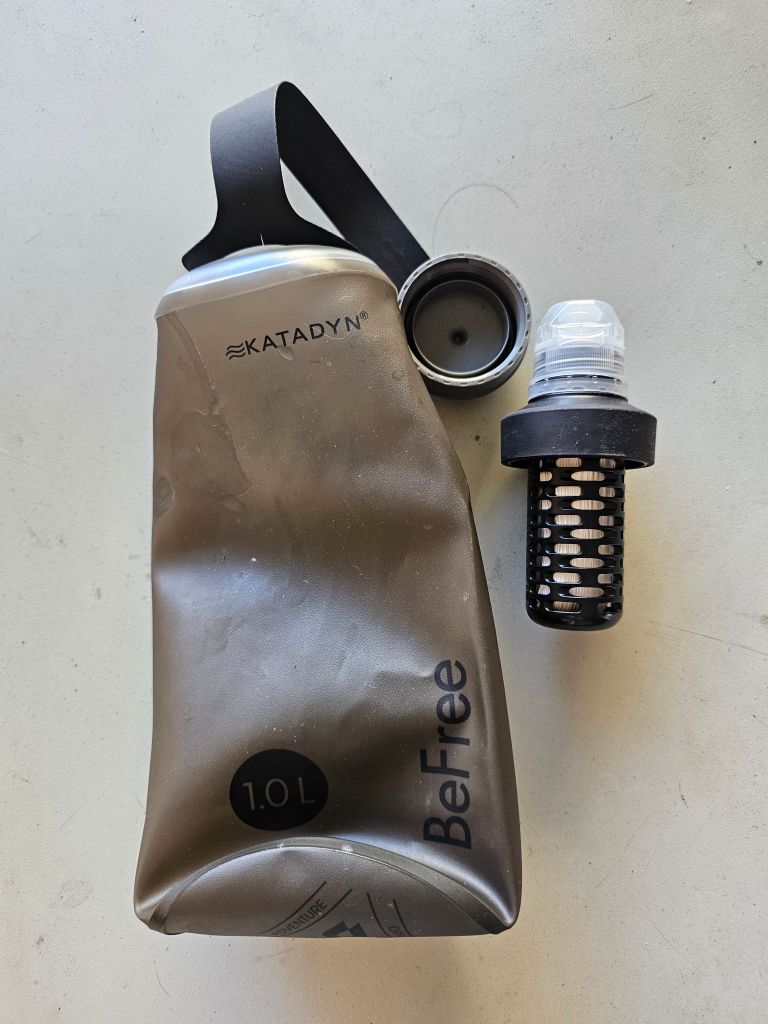
Water from the tap or streams is not safe to drink on the trek, so always purify it. We used two bottles with built-in Katadyn BeFree filters, which worked really well. You just need to make sure that the filters don’t freeze overnight, as this can compromise their effectiveness. To prevent this, we always kept the filters in our sleeping bags at night. You can also buy boiled water from teahouses. If you’re unsure about water safety, use additionally Micropur tablets as an extra precaution.
Due to the cold, you may not feel thirsty — but staying hydrated is essential, especially when taking Diamox.
Here’s what we recommend:
- We used Elotrans electrolyte powder during and after hikes to replace lost salts and stay balanced
- Drink plenty of tea — it’s warm and keeps hydration levels up
🍜Food: Keep It Vegetarian & Simple
Stick to vegetarian meals, as meat may not be stored or transported safely to the remote Khumbu Region. Even if your appetite decreases (which is common at higher elevations), try to eat enough to keep your energy levels up. Avoid heavy, greasy foods that are harder to digest.
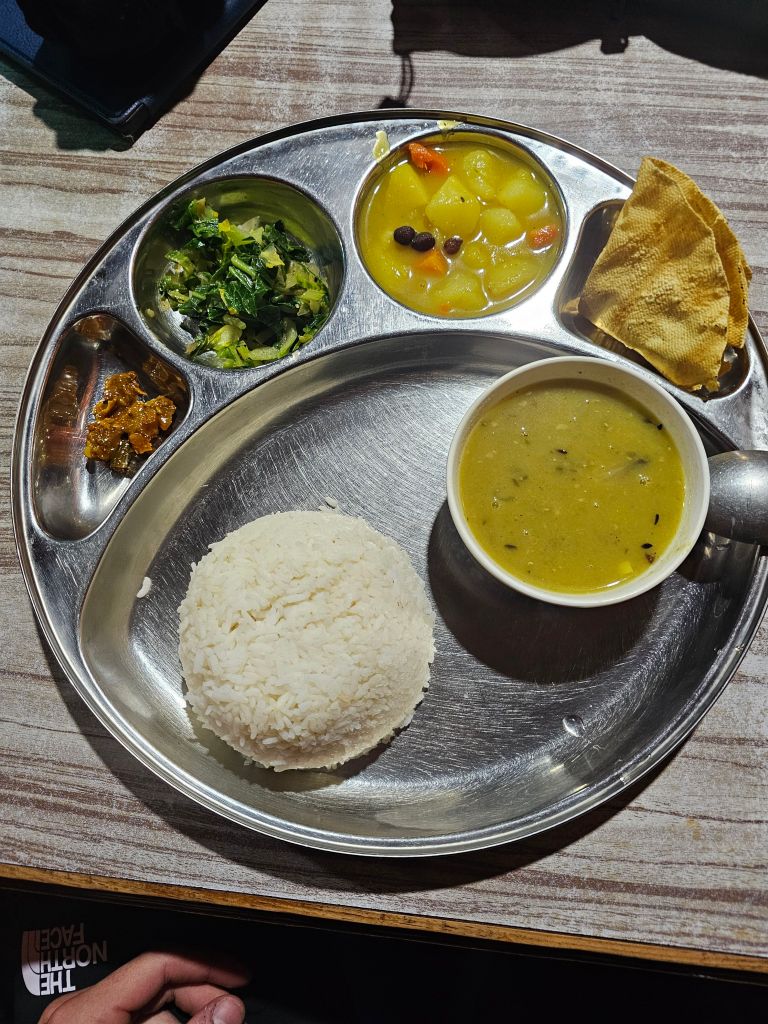
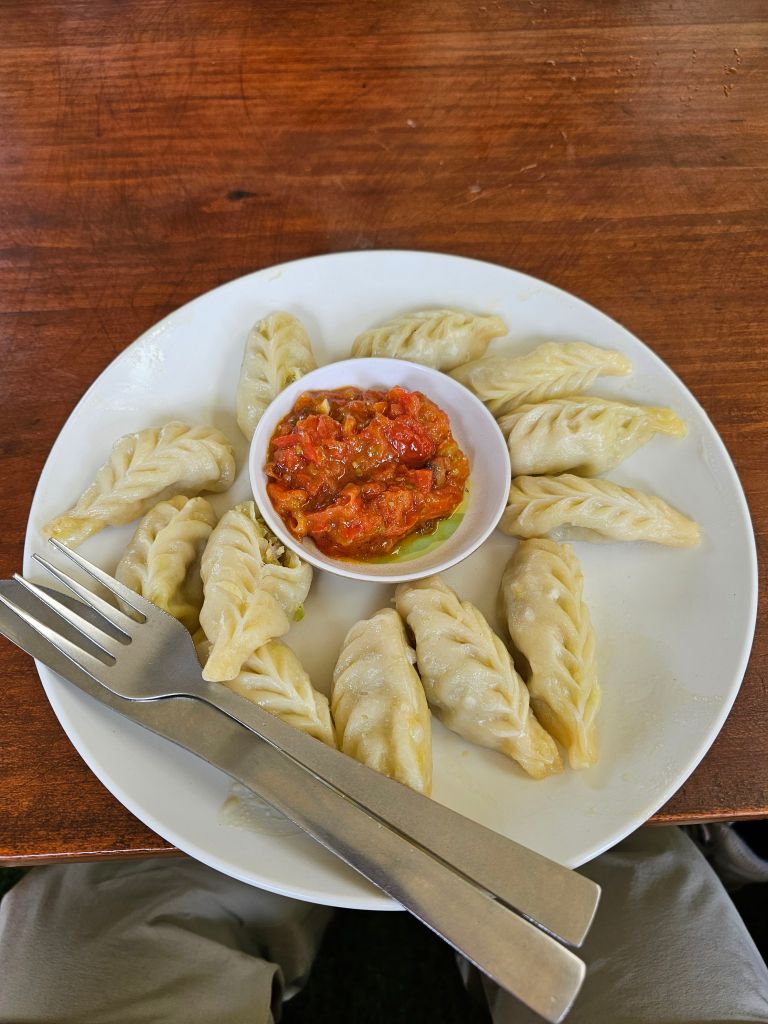
During the trek, we typically had momos for lunch and dal bhat for dinner. The phrase „Dal Bhat Power 24 Hour“ perfectly captures the essence of this traditional Nepali dish, which is believed to provide the sustained energy needed for long treks.
🪥Basic Hygiene Tips
Due to the cold, showers aren’t recommended — and in many places, they’re simply not available. In fact, most trekkers and guides only manage to shower once they return to Kathmandu. Instead, maintain hygiene by using wet wipes or wilderness wipes. Always disinfect your hands — especially before eating and after using the toilet — to avoid getting sick. Also, be sure to apply sunscreen daily. The sun’s UV rays are much stronger at high altitude, even when it’s cold.



 Flapsu's Travel Blog
Hinterlasse einen Kommentar